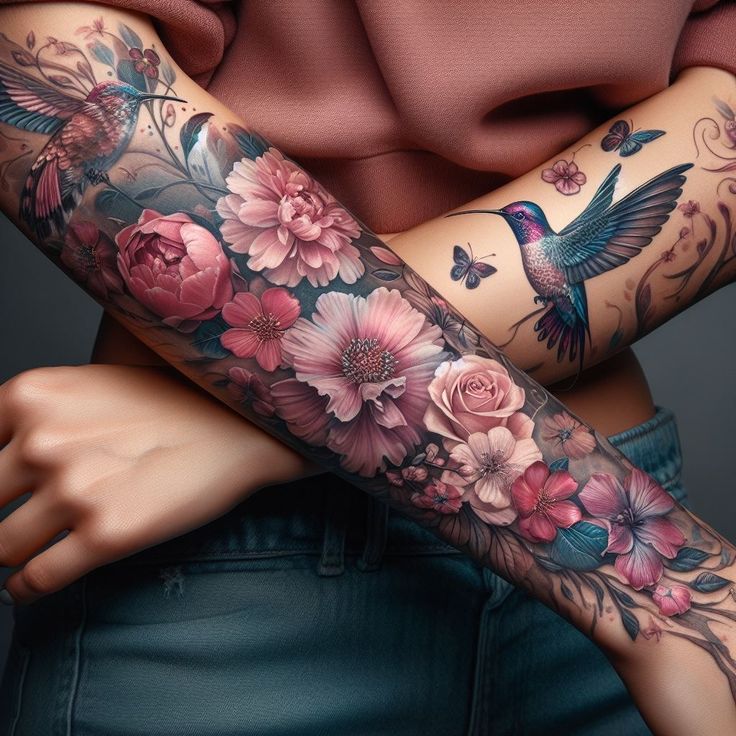
Ouroboros Tattoo Styles, Meanings & Inspirations

The Ouroboros tattoo is far more than a striking circular serpent. For thousands of years, it has represented eternity, transformation, rebirth, and the endless cycle of life. Ancient civilizations carved it into sacred texts, alchemists adopted it as a symbol of unity, and modern tattoo enthusiasts wear it as a reminder that every ending creates a new beginning.
Unlike trend-driven tattoo designs, the Ouroboros has survived across cultures, religions, and philosophies because its meaning continues to resonate. It can symbolize personal growth after hardship, spiritual awakening, self-renewal, or the acceptance that life constantly moves in cycles.
Whether you’re considering your first tattoo or adding another meaningful piece to your collection, understanding the history and symbolism behind the Ouroboros helps you choose a design that reflects your own story rather than simply following an aesthetic trend.
People often choose an Ouroboros tattoo to symbolize:
- Personal transformation
- Overcoming adversity
- Infinite love
- Spiritual growth
- Cycles of nature
- Life after loss
- Inner balance
- Healing
- Continuous learning
- The interconnectedness of all things
Why the Ouroboros Tattoo Has Endured for Thousands of Years
Few tattoo symbols can claim a history spanning over three millennia.
The Ouroboros has appeared in Egyptian funerary texts, Greek philosophical writings, Roman mystical traditions, medieval alchemical manuscripts, Norse mythology, and modern psychology. Despite these different origins, one central idea remains unchanged: life is never truly linear.
Every experience creates another.
Every ending begins something else.
This timeless message makes the Ouroboros one of the most meaningful tattoo choices available today.
What Is the Ouroboros?
The Ouroboros is traditionally illustrated as a serpent—or sometimes a dragon—forming a perfect circle by swallowing its own tail.
The word comes from Ancient Greek:
- Oura = tail
- Boros = eating
Literally, it means:
“Tail-eating serpent.”
Although simple in appearance, the symbol represents several profound ideas simultaneously:
| Symbol | Meaning |
|---|---|
| Circle | Infinity |
| Snake | Wisdom and renewal |
| Dragon | Power and creation |
| Tail | Completion |
| Mouth | New beginnings |
| Continuous loop | Eternal existence |
The circular shape itself is important. It has no clear beginning or end, reinforcing the idea that existence unfolds in recurring cycles rather than straight lines.
The Ancient Origins of the Ouroboros
Ancient Egypt
The oldest known depiction of the Ouroboros dates back to around the 14th century BCE in ancient Egypt.
It appears in the Enigmatic Book of the Netherworld, where two serpents encircle the sun god, symbolizing the eternal cycle of creation and destruction. Rather than representing evil, the snake embodied cosmic order and the daily rebirth of the sun.
For Egyptians, death was not the end of existence but part of an ongoing spiritual journey.
This perspective still influences how many people interpret Ouroboros tattoos today—as symbols of renewal rather than finality.
Ancient Greece
Greek philosophers later adopted the symbol, expanding its meaning beyond religion.
To them, the Ouroboros represented:
- the unity of opposites
- endless time
- self-sufficiency
- cosmic harmony
Greek thinkers believed the universe constantly recreated itself, making the Ouroboros an ideal metaphor for existence itself.
Alchemy
During the Middle Ages, alchemists embraced the Ouroboros as one of their most important symbols.
To alchemists, it represented:
- transformation
- purification
- creation through destruction
- the unity of matter and spirit
One famous alchemical illustration includes the phrase:
“The One is All.”
This reflected the belief that everything in existence is interconnected.
Many modern tattoo designs incorporate geometric patterns, sacred geometry, or celestial imagery inspired by these alchemical manuscripts.
Norse Mythology
Although technically distinct from the classical Ouroboros, Norse mythology features Jörmungandr, the World Serpent.
According to legend, Jörmungandr grows so enormous that it wraps around the entire world and bites its own tail.
This imagery reinforces themes such as:
- cosmic balance
- destiny
- inevitable change
- the cyclical nature of existence
Many Viking-inspired tattoo designs blend elements of Jörmungandr with the traditional Ouroboros.
Core Meanings of an Ouroboros Tattoo
Every tattoo tells a personal story, but the Ouroboros carries several universal meanings.
1. Eternal Life
The absence of a beginning or end represents existence beyond physical life.
For some people, this reflects spiritual beliefs.
For others, it serves as a reminder that memories, influence, and love continue long after we’re gone.
2. Rebirth
Perhaps the most recognized interpretation.
Just as snakes shed their skin, people continually outgrow old identities.
Many choose this tattoo after:
- recovery from illness
- addiction recovery
- divorce
- career changes
- personal reinvention
- major life transitions
The tattoo marks the moment they chose growth instead of remaining defined by the past.
3. Transformation
Unlike symbols that celebrate a final achievement, the Ouroboros celebrates the process of becoming.
It reminds us that growth rarely follows a straight path.
Failure, learning, rebuilding, and adapting are all part of the same circle.
4. Balance
The Ouroboros also symbolizes harmony between opposing forces.
Examples include:
- light and darkness
- life and death
- order and chaos
- success and failure
- mind and body
- creation and destruction
Instead of eliminating one side, balance comes from accepting both.
5. Infinite Potential
Because the circle never truly ends, many people interpret it as limitless possibility.
This meaning appeals to entrepreneurs, artists, athletes, and lifelong learners who see growth as an ongoing pursuit rather than a destination.
6. Self-Reflection
The serpent consumes itself.
Psychologically, this can represent introspection and accountability.
It encourages looking inward before blaming external circumstances.
For many wearers, the tattoo becomes a daily reminder that personal change begins within.
7. Healing After Hardship
People frequently choose the Ouroboros after experiencing profound challenges such as grief, trauma, burnout, or loss.
Rather than erasing painful experiences, the symbol suggests that suffering can become part of a larger process of healing and renewal. It acknowledges that difficult chapters often shape future strength.
8. Acceptance of Change
One of the deepest lessons embodied by the Ouroboros is that change is inevitable.
Relationships evolve.
Careers shift.
People grow.
Instead of resisting change, the symbol encourages embracing life’s natural rhythms with resilience and perspective.
Why People Choose an Ouroboros Tattoo Today
Although rooted in ancient traditions, the Ouroboros remains remarkably relevant. Modern wearers often connect with the symbol because it reflects personal experiences rather than specific religious beliefs.
Common reasons include:
- Celebrating recovery or healing
- Marking a fresh start after a major life event
- Honoring a lifelong commitment to personal growth
- Expressing interest in mythology, philosophy, or alchemy
- Representing the interconnectedness of nature and humanity
- Commemorating a meaningful relationship or life journey
- Appreciating the balance between strength and vulnerability
Ouroboros Tattoo Styles: Choosing a Design That Reflects Your Story
One of the reasons the Ouroboros tattoo has remained popular for centuries is its remarkable versatility. The circular serpent adapts beautifully to nearly every tattoo style, allowing each design to reflect a unique personality and story. While the core symbolism of eternity, rebirth, and transformation remains the same, the artistic approach can completely change how the tattoo feels. A minimalist Ouroboros may express quiet resilience and personal growth, while a highly detailed blackwork or realistic design creates a bold statement about strength and life’s endless cycles.
If you’re planning an Ouroboros tattoo, selecting the right style is just as important as understanding its meaning.
Minimalist Ouroboros Tattoos
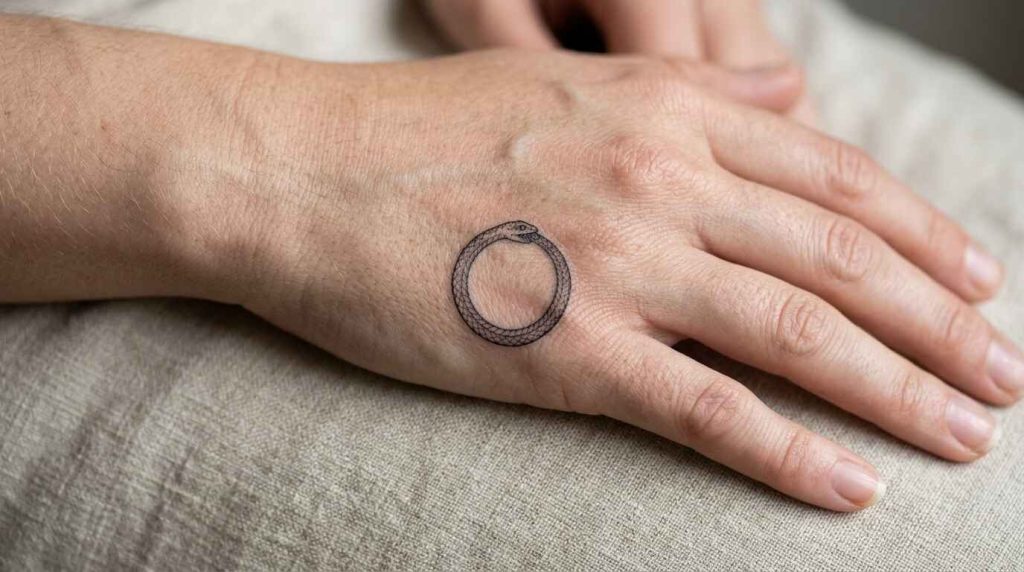
Minimalist tattoos prove that simplicity can be incredibly meaningful. Rather than emphasizing intricate scales or dramatic shading, this style focuses on the iconic circular silhouette of the snake eating its own tail. Clean lines and subtle details make the design elegant without sacrificing symbolism.
Minimalist Ouroboros tattoos are especially popular among first-time tattoo collectors because they are discreet, timeless, and easy to place on smaller parts of the body such as the wrist, ankle, collarbone, or behind the ear. Despite their understated appearance, these tattoos still carry the powerful message of renewal, balance, and continuous personal growth. Their simplicity also allows them to age gracefully over time.
Fine-Line Ouroboros Tattoos
Fine-line tattooing offers a softer and more delicate interpretation of the Ouroboros. Using extremely thin needles, tattoo artists create intricate details with remarkable precision. This style is often chosen by people who appreciate elegant artwork rather than bold, heavy designs.
Fine-line Ouroboros tattoos frequently incorporate additional symbolic elements such as moon phases, stars, flowers, constellations, or sacred geometry. These additions enhance the tattoo’s spiritual and philosophical meaning without overwhelming the central image. Because fine-line tattoos rely on precision, it’s essential to choose an experienced artist who specializes in this technique to ensure the details remain sharp as the tattoo ages.
Blackwork Ouroboros Tattoos
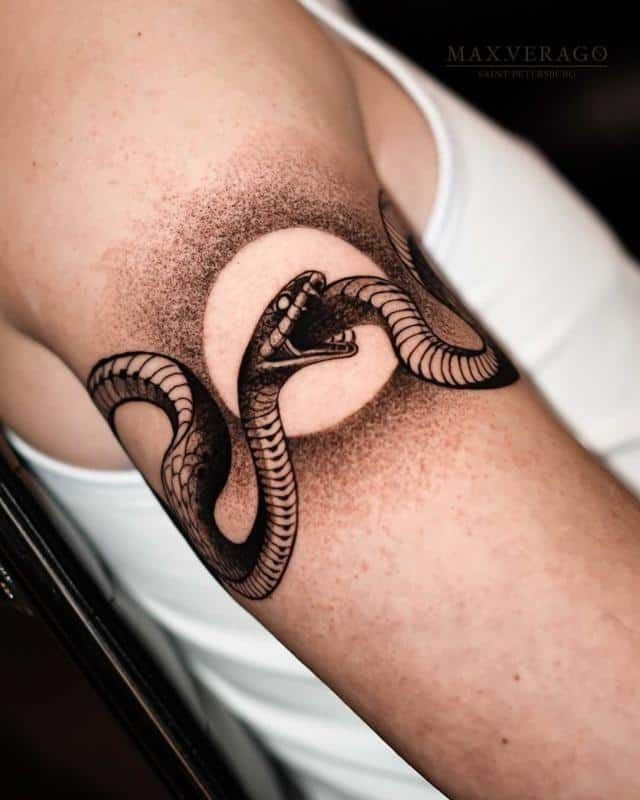
Blackwork has become one of the most sought-after tattoo styles for symbolic designs, and the Ouroboros fits naturally within this aesthetic. Heavy black ink, bold outlines, and strong contrast give the serpent an unmistakable presence while emphasizing themes of mystery, eternity, and resilience.
Instead of relying on color, blackwork artists create visual depth through solid fills, negative space, and detailed shading. The result is a tattoo that feels powerful and timeless. Blackwork tattoos also tend to maintain their appearance exceptionally well over the years, making them an excellent choice for people who want a long-lasting design with minimal fading.
Geometric Ouroboros Tattoos
Geometric tattoos combine ancient symbolism with mathematical precision. In these designs, the Ouroboros is often surrounded by symmetrical shapes, sacred geometry, or repeating patterns that reinforce ideas of universal balance and interconnectedness.
Many geometric Ouroboros tattoos feature symbols such as the Flower of Life, Metatron’s Cube, hexagons, or concentric circles. These elements add another layer of meaning by representing harmony, cosmic order, and the hidden structure of the universe. This style appeals to people who enjoy philosophy, science, spirituality, or architecture because it blends artistic beauty with intellectual symbolism.
Dotwork Ouroboros Tattoos
Dotwork creates depth and texture using thousands of tiny dots instead of traditional shading techniques. The finished tattoo has a softer, almost meditative appearance that works exceptionally well with symbolic imagery.
A dotwork Ouroboros often incorporates mandalas, celestial symbols, or geometric backgrounds to create a balanced composition. The gradual shading produced by carefully placed dots gives the design a refined look while maintaining the timeless symbolism of transformation and eternity. Because dotwork requires patience and precision, choosing a tattoo artist experienced in this technique is essential.
Realistic Ouroboros Tattoos
Realistic tattooing transforms the symbolic serpent into a lifelike creature with detailed scales, textured skin, and expressive eyes. Rather than appearing as a simple emblem, the Ouroboros becomes a living animal that seems ready to move across the skin.
This style works particularly well for larger tattoos placed on the back, chest, thigh, or upper arm, where the artist has enough space to capture intricate details. A realistic Ouroboros often emphasizes wisdom, primal power, and humanity’s connection with nature while preserving the ancient symbolism of eternal cycles.
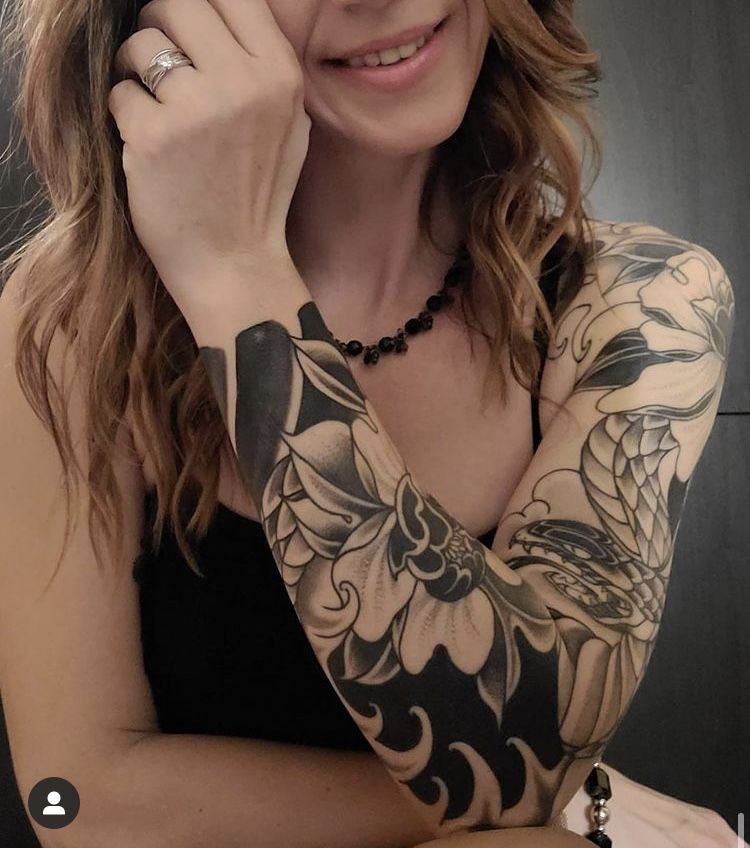
Japanese-Inspired Ouroboros Tattoos
Although the Ouroboros originated outside Japan, many tattoo artists blend it with traditional Japanese tattoo aesthetics to create unique and visually dramatic designs. In these interpretations, the serpent may resemble a Japanese dragon surrounded by waves, clouds, cherry blossoms, or koi fish.
The combination creates a tattoo that symbolizes strength, protection, perseverance, and the natural rhythm of life. Japanese-inspired compositions also provide opportunities for larger, flowing artwork that complements the body’s natural contours.
Celtic Ouroboros Tattoos
Celtic art is known for its endless knotwork, making it a natural companion to the Ouroboros. By weaving the serpent into traditional Celtic patterns, tattoo artists create designs that symbolize eternity, ancestry, and the interconnectedness of all living things.
Many Celtic Ouroboros tattoos include additional motifs such as triskelions, oak leaves, ravens, or ancient crosses. These symbols deepen the tattoo’s meaning while honoring the rich artistic traditions of Celtic culture.
Viking and Norse-Inspired Ouroboros Tattoos
Many people associate the Ouroboros with Jörmungandr, the legendary World Serpent from Norse mythology. Although the two symbols have different historical origins, both represent cycles, cosmic balance, and the immense forces that shape existence.
Norse-inspired Ouroboros tattoos often incorporate Viking runes, ravens, axes, mountains, or the Vegvísir compass. These elements create a rugged design that reflects courage, destiny, endurance, and humanity’s place within the natural order.
Tribal Ouroboros Tattoos
Tribal interpretations reduce the serpent to flowing black shapes and bold curves that emphasize movement rather than realism. These tattoos create a striking visual impact while maintaining the recognizable circular form of the Ouroboros.
Because tribal tattooing carries deep cultural significance in many Indigenous traditions, it’s important to understand the origins of specific patterns before incorporating them into a design. Working with an artist who respects these traditions helps ensure the tattoo remains both meaningful and culturally informed.
Neo-Traditional Ouroboros Tattoos
Neo-traditional tattoos build upon classic American tattoo techniques while introducing richer colors, greater detail, and more decorative compositions. A neo-traditional Ouroboros typically features bold outlines, vibrant shading, stylized scales, and accompanying flowers or ornamental backgrounds.
The result is a tattoo that feels both timeless and contemporary, making it a popular option for those who appreciate classic tattoo craftsmanship with a modern artistic touch.
Watercolor Ouroboros Tattoos
Watercolor tattoos reinterpret the Ouroboros through flowing washes of color that resemble brushstrokes on canvas. Bright blues, deep purples, emerald greens, and fiery reds create an expressive design that symbolizes emotion, creativity, and constant change.
Most watercolor Ouroboros tattoos retain a subtle black outline to preserve the serpent’s shape while allowing the surrounding colors to create movement and energy. Although visually stunning, watercolor tattoos may require occasional touch-ups because lighter pigments generally fade faster than black ink.
Pain Level: How Much Does an Ouroboros Tattoo Hurt?
Pain is one of the most common concerns for first-time tattoo clients. The reality is that no tattoo is completely painless, but discomfort varies based on placement, size, your personal pain tolerance, and the artist’s technique.
Most people describe the sensation as a continuous scratching, burning, or vibration rather than a sharp, constant pain.
Pain Scale by Placement
| Placement | Pain Level (1–10) | Why |
|---|---|---|
| Upper Arm | 3–4 | More muscle and fat cushion the needle. |
| Forearm | 3–5 | One of the most comfortable areas. |
| Thigh | 3–5 | Large muscle mass makes longer sessions easier. |
| Calf | 4–6 | Moderate sensitivity. |
| Shoulder Blade | 4–6 | Comfortable unless working directly over bone. |
| Chest | 6–8 | Thin skin near the sternum increases discomfort. |
| Wrist | 6–7 | Nerves and tendons are close to the surface. |
| Spine | 7–9 | Minimal cushioning over bone. |
| Rib Cage | 8–10 | Commonly considered one of the most painful locations. |
| Ankle | 7–8 | Thin skin over bone. |
Does Size Affect Pain?
Yes.
A small 2-inch Ouroboros may take under an hour, while a detailed sleeve or back piece could require multiple sessions over several months. Longer sessions often become more challenging because the skin grows increasingly sensitive.
How Much Does an Ouroboros Tattoo Cost?
Pricing depends on several factors:
- Artist experience
- Geographic location
- Tattoo size
- Complexity
- Color vs. black and gray
- Number of sessions
Typical Price Ranges (U.S.)
| Tattoo Size | Estimated Cost |
|---|---|
| Small (2–3 inches) | $100–$300 |
| Medium (4–6 inches) | $300–$800 |
| Large (7–10 inches) | $800–$2,000 |
| Sleeve or Back Piece | $2,000–$6,000+ |
These are general estimates. Well-known artists with long waiting lists may charge significantly more.
Should You Choose the Cheapest Artist?
Usually not.
An Ouroboros often contains fine details, smooth curves, and symmetrical composition. Poor line work or uneven proportions are difficult to correct later. Investing in an experienced artist typically produces a tattoo that ages better and requires fewer touch-ups.
Questions to Ask During a Consultation
- How would you adapt this design to my anatomy?
- Will the details remain readable over time?
- Do you recommend black and gray or color?
- How many sessions will this require?
- What should I expect during healing?
A thoughtful artist should be willing to discuss design choices instead of simply copying a reference image.
Tattoo Aftercare: Protecting Your Investment
Even an exceptional tattoo can heal poorly without proper aftercare.
Although artists may have slightly different instructions, these guidelines are widely recommended.
During the First Few Days
- Leave the bandage on for the recommended time.
- Wash gently with fragrance-free soap.
- Pat dry with a clean towel.
- Apply a thin layer of aftercare ointment if advised.
- Avoid soaking the tattoo.
During Healing
For the next two to four weeks:
- Don’t pick or scratch peeling skin.
- Avoid swimming pools, hot tubs, and lakes.
- Limit direct sun exposure.
- Wear loose clothing around the tattoo.
- Keep the area moisturized without over-applying lotion.
Is an Ouroboros Tattoo Right for You?
An Ouroboros tattoo is often a good choice if you connect with ideas such as:
- Personal growth
- Recovery after hardship
- Continuous learning
- Spiritual reflection
- Philosophy
- Nature’s cycles
- Ancient symbolism
- Balance and resilience
If you’re mainly attracted to the visual style without understanding the symbolism, spend some time exploring its history first. Many people find that learning about the symbol makes the tattoo even more meaningful.
Frequently Asked Questions
What does an Ouroboros tattoo symbolize?
It most commonly symbolizes eternity, renewal, transformation, the cycle of life, personal growth, and the idea that every ending creates a new beginning.
Is an Ouroboros tattoo considered lucky?
Some people associate it with resilience, wisdom, and renewal rather than luck itself. Its meaning depends largely on the wearer’s beliefs and intentions.
Is the Ouroboros connected to any religion?
The symbol appears across several traditions, including ancient Egyptian writings, Greek philosophy, alchemical texts, and interpretations of Norse mythology. Today it is generally viewed as a philosophical or symbolic image rather than belonging exclusively to one religion.
Can I combine an Ouroboros with other symbols?
Yes. Popular combinations include moon phases, lotuses, mandalas, compasses, skulls, trees, dragons, ravens, and geometric patterns. Combining symbols can create a more personal narrative.
Is the Ouroboros suitable for a first tattoo?
Yes. Its circular shape works well in both simple and highly detailed designs, making it adaptable to different budgets, placements, and experience levels.
Does an Ouroboros tattoo have negative meanings?
Some interpretations focus on destruction or the endless cycle of creation and decay. However, modern tattoo culture most often associates the symbol with renewal, healing, resilience, and transformation.
Which placement is best?
There is no universally “best” placement. Popular options include the forearm, upper arm, chest, thigh, and back because they provide enough space to preserve the circular composition and fine details.
Final Thoughts
The Ouroboros has endured for thousands of years because its message remains timeless. It reminds us that growth is rarely linear, setbacks can become turning points, and endings often create space for something new.
A well-designed Ouroboros tattoo isn’t just an attractive piece of body art. It’s a lasting symbol of resilience, self-reflection, and the cycles that shape every human life.
If you decide to get one, invest time in understanding its history, collaborate with a skilled tattoo artist, and choose a design that reflects your own journey. A meaningful tattoo becomes more than an image—it becomes part of your story.